
What’s the Best Age to Start Music Lessons?
 As the New Year begins, many families look for meaningful after-school activities for kids that support learning, creativity, and personal growth. One question parents often ask is: What’s the best age to start music lessons? The short answer: earlier than you might think — and research strongly supports it. Music lessons for kids play a powerful role in cognitive development, focus, and long-term academic success. Let’s break it down by age and explore why ages 3–5 are often the sweet spot to begin.
Why Music Lessons Are the Perfect New Year Activity for Kids
Unlike many kids activities that focus only on entertainment, music combines structure, creativity, and discipline while remaining fun. Building consistent routines, improving listening and attention skills, gaining confidence through small achievements – all of these music lessons help children achieve while engaging in a rewarding after-school activity. For families searching for enriching afterschool activities for kids, music stands out as a lifelong skill rather than a short-term hobby.
How Learning an Instrument Improves Focus and School Performance
According to research published in Frontiers in Psychology and The Journal of Educational Psychology, music education activates multiple areas of the brain simultaneously, strengthening neural connections related to focus, reading, and academic performance. Simply put, music supports overall kids development, both inside and outside the classroom.
Best Age to Start Music Lessons: A Breakdown by Stage
Ages 0–3: Foundation Through Exposure
At this stage, music is about exposure with focus on singing, rocking, musical play, sound toys.
Benefits:
-
Auditory development
-
Pattern recognition
-
A positive emotional relationship with music
Ages 3–5: Playful Introduction (The Ideal Starting Age)
Focus:
-
Movement, rhythm, singing
-
Simple instruments
-
Short, engaging lessons
Benefits:
-
Builds musical instincts naturally
-
Encourages creativity and confidence
-
Strengthens motor skills and coordination
This preschool stage (ages 3-5) is when children are curious, fearless, and eager to explore—making it the best age to start music lessons in a structured yet playful way. Best instruments – 🎻 Violin, 🎹 Piano, 🎶 Ukulele – develop coordination, listening skills, and foundational technique.
Ages 6–9: Formal Lessons Begin
Focus:
-
Structured private lessons
-
Reading music
-
Developing technique
Benefits:
-
Stronger focus and discipline
-
Understanding basic music theory
-
Building consistent practice habits
This is an excellent age for children who didn’t start earlier or who are ready for more structure.
Ages 9+: Tweens, Teens & Adults
Focus:
-
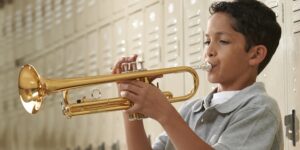
More complex instruments (flute, trumpet, etc.)
-
Independent practice
-
Goal-driven learning
Benefits:
-
Advanced cognitive processing
-
Clear motivation and personal expression
-
Long-term commitment to music
It’s never too late to start—but younger learners benefit from early exposure.
Music Lessons That Grow With Your Child
At American Music Institute, music education is designed to support children at every stage of their journey, offering a clear pathway from preschool through teens – and even adulthood:
-
In-campus, in-home, and online music lessons
-
Suzuki method lessons for young beginners
-
Private and group lessons
- Additional programs including chamber music, competitions, masterclasses and performance opportunities
Start Early, Build for Life
If you’re considering music lessons for kids, the research and experience are clear: ages 3–5 are the perfect time to begin. Music supports focus, confidence, creativity, and academic success—making it one of the most valuable after-school activities for kids. Discover AMI Programs
Interested in Music Lessons? CONTACT
Questions? Get in touch via (630) 850 8505 / ami@amimusic.org